AquaBliss SF220 Cost of Ownership: Cartridges, Schedules & Time
What It Actually Takes to Keep an SF220 Running
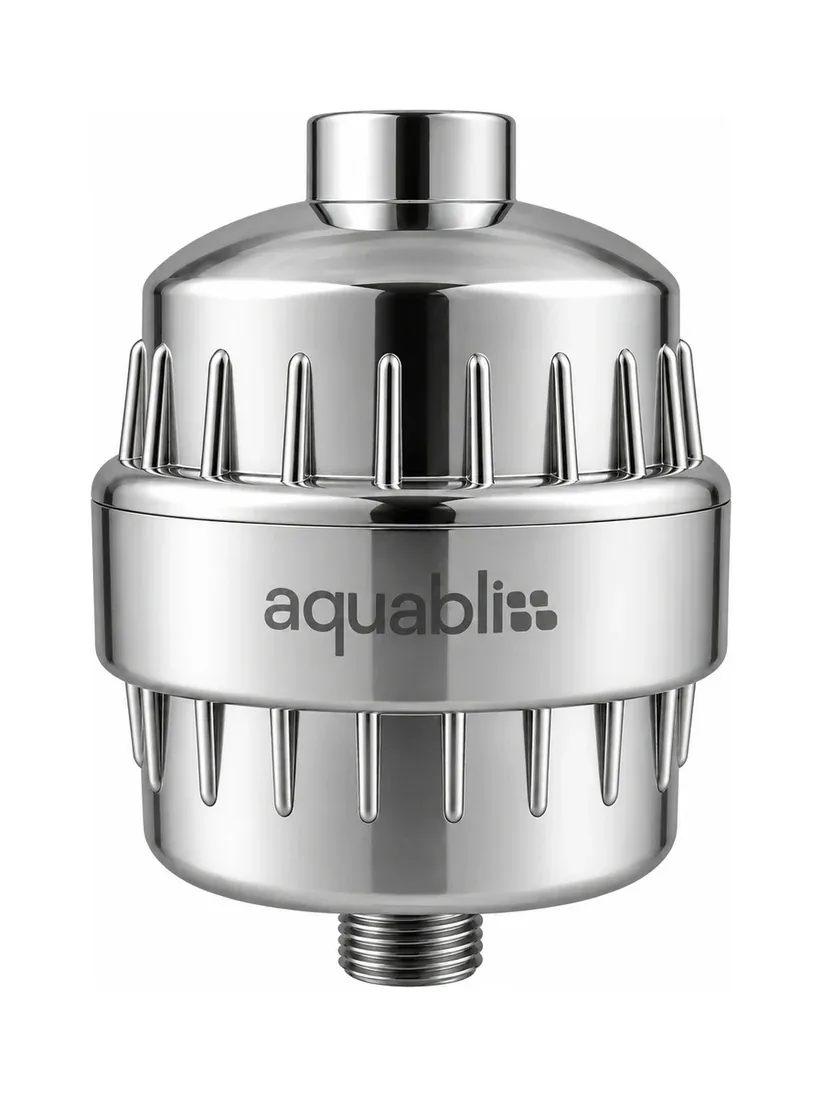
The AquaBliss SF220 is an inline shower filter that sits between a standard ½-inch shower arm and your shower head, using a multi-stage media cartridge to treat household shower water on the way to the spray. Like any filtration device, the housing is the one-time part and the cartridge is the ongoing part. Understanding the difference — and the rhythm of replacement — is the whole story of owning one.
The good news for anyone planning ahead: this is a single-consumable device. There are no secondary filters, no O-ring kits scheduled on a separate clock, no annual descaling media. One cartridge, one interval. That makes the ownership math unusually simple compared with whole-house or under-sink systems.
If you're still deciding whether to bring one into your bathroom, you can look at the current listing here: AquaBliss SF220 Daily Essential Shower Filter (Chrome)
The One Consumable: The SFC220 Cartridge
The SF220 uses a user-replaceable genuine SFC220 cartridge. That's the confirmed part number to search for, and it's the answer to one of the most common buyer questions about this unit. Inside that cartridge is a multi-stage media stack: a sand filter, stainless steel mesh, PP cotton, calcium sulfite, redox media, and activated carbon. Those layers are consumed and loaded over time, which is why the cartridge is replaceable rather than permanent.
A detail worth flagging up front: cartridges are listed in a pack size of one. There is no verified multi-pack configuration for the SFC220 in the research available, so plan your buying around single units rather than assuming a bulk discount tier exists. If you want a spare on the shelf, that means two separate single purchases, not one two-pack.
Genuine vs. Compatible
The genuine SFC220 is confirmed to be available as a user-replaceable part. Whether any third-party or "compatible" cartridges physically fit the SF220 housing is not verified. Treat any aftermarket claim with skepticism until you can confirm it yourself, because an inline shower filter lives under constant water pressure directly above a tiled floor — a poorly fitting cartridge is not a cheap experiment. As a general recommendation, sticking with the genuine part is the low-risk default, especially given that the media stack inside is specific to this design.
The Replacement Schedule
The confirmed replacement interval is 120 days. Work that out across a calendar year and you get roughly three cartridges per year, with changeovers landing about every four months.
A practical way to hold that schedule without thinking about it:
- Anchor it to seasons. Three changes a year maps neatly onto a rotating four-month rhythm — for example, early January, early May, early September.
- Write the install date on the housing or cartridge with a marker or a small label when you fit it. Shower filters are invisible once you stop noticing them; the date is your only reliable memory.
- Set a recurring calendar reminder at 110 days, not 120. That gives you a window to order and receive the next cartridge before the old one is due out.
- Keep one spare on hand once you're past your first year, so a shipping delay never means running past the interval.
Note that 120 days is the stated interval, not a guarantee tied to your specific water. Heavier household use or sediment-heavy supply may make the filter feel spent sooner — more on that below.
Backwashing: The Maintenance Step That Isn't a Purchase
One of the more useful confirmed features here is that the cartridge can be backwashed to restore pressure when sediment builds up. This matters for cost of ownership because pressure drop is the symptom most people misread as "the filter is dead." It often isn't — it's loaded with sediment that can be flushed.
Treat backwashing as a maintenance task on its own informal schedule rather than a replacement trigger. A general recommendation: if you notice flow softening partway through a cartridge's life, backwash first and see whether pressure recovers before reaching for a new SFC220. Households on sediment-heavy supply may find themselves doing this once or twice within a single 120-day cycle, and that's normal.
Important limit: backwashing restores flow, it does not regenerate the media. The calcium sulfite, redox media, and activated carbon still have a finite service life, which is what the 120-day interval reflects. Backwashing is not a substitute for replacement.
Installation and Recurring Labor
Installation is confirmed tool-free, connecting to standard ½-inch fittings and working with fixed, rain, and handheld shower heads. The unit is compact and light — 3.31 x 3.31 x 4.65 inches and 5.6 ounces — so there's no bracket, no wall anchor, and no support structure to maintain.
That tool-free design carries straight through to cartridge changes: the same threaded connections you made on day one are the ones you open every four months. There is no separate service kit.
Two consumables-adjacent items worth checking rather than assuming: whether plumber's tape or extra washers are included in the box is not verified. Leaks at the shower arm joint or from the middle of the filter body are a known question among owners, and thread tape is the conventional first remedy for a joint leak. As a general recommendation, keep a roll of plumber's tape in the bathroom cabinet and treat it as a background supply — it lasts many changeovers and removes the most common source of installation frustration.
What to Budget — In Time
Set aside roughly the following across a year of ownership:
- One initial install session — unscrew the head, thread the filter onto the arm, re-attach the head, run water and check for weeping at both joints. Tool-free, but give yourself unhurried minutes rather than doing it two minutes before work.
- Three cartridge changeovers per year, one every 120 days, each essentially a repeat of the install with a leak check afterward.
- Occasional backwash sessions whenever pressure softens — short, unscheduled, and entirely dependent on your water's sediment load.
- Three small ordering moments per year, each triggered around day 110, buying single SFC220 units since only single-pack sizing is verified.
- A few minutes of record-keeping — dating the housing at each change and keeping the calendar reminder alive.
Realistically, that's a handful of short sessions spread across twelve months. The commitment isn't effort; it's remembering. Build the 120-day reminder once and the SF220 largely maintains itself.
As an Amazon Associate, Replenish earns from qualifying purchases made through links on this page.